
Travel guide
The case for the green season
Ruan · 18 November 2026 · 6 min read
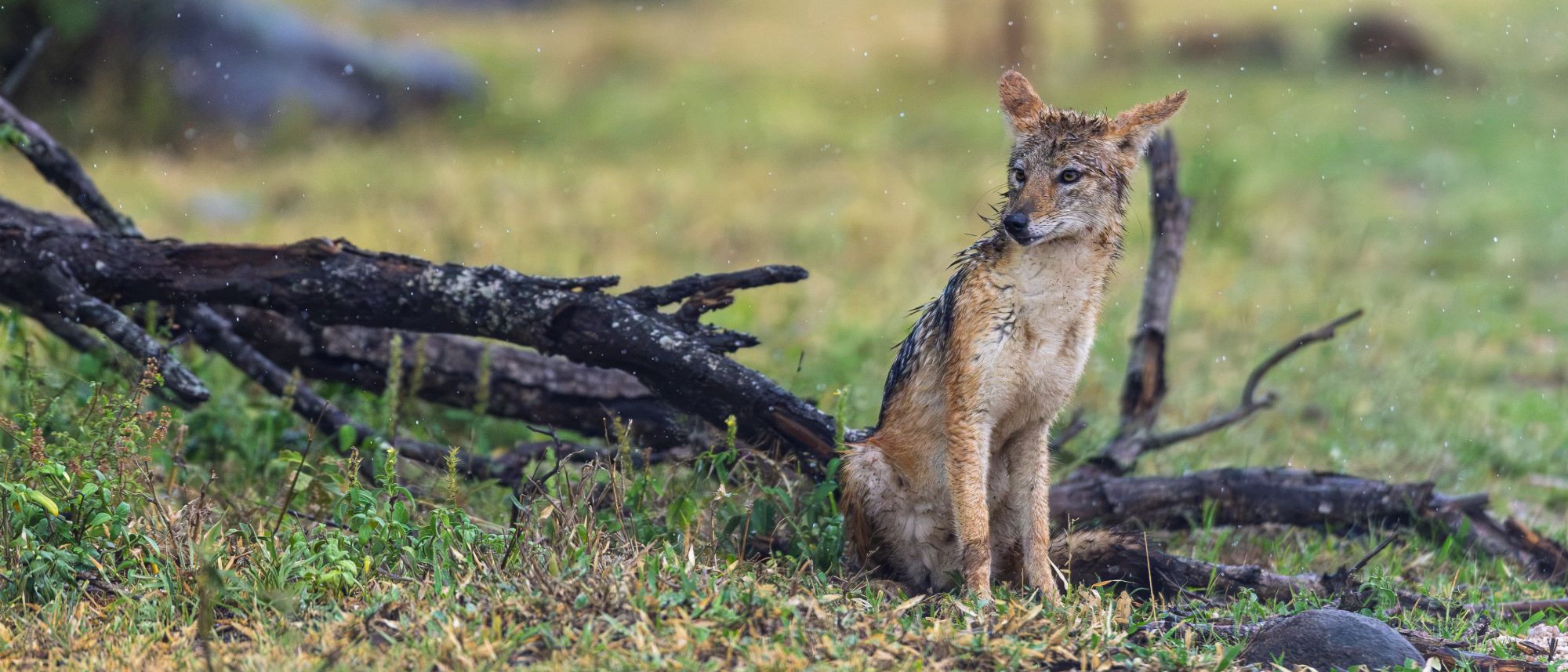
We wrote in August about choosing your month, and the honest summary was that winter gets you the sightings. That is still true. But it leaves out the half of the year that most first-time visitors never consider, and that is worth a second look once you know what it offers.
The green season runs roughly from November to March. Here is what it actually gives you.
The bush comes back to life
From the first proper rains the whole landscape changes character within about ten days. Grass that was pale and flattened comes up green and shoulder-high. Trees that spent the winter as grey sticks go into full leaf. Dry riverbeds run.
This is what makes the game viewing harder — there is simply more between you and the animal — and it is also what makes it beautiful in a way the dry season is not. Winter here is spare and graphic. Summer is dense, saturated and alive.
If you have already done a dry-season safari and found the landscape austere, this is the other half of the story.
Everything is having babies
Most antelope in this system are timed to drop their young in the early wet season, when there is enough grazing to support a nursing mother. Impala in particular are close to synchronised — a large proportion of lambs arrive within a few weeks of each other, which is a strategy: predators can only eat so many at once.
The practical effect is that summer drives are full of very young animals doing very young animal things. It also concentrates predator activity, because the same abundance is not lost on anything that hunts.
You do not need to be in the Kruger to see it. Impala, nyala, kudu, giraffe, zebra, waterbuck and wildebeest are all resident on the Hoedspruit Wildlife Estate, so some of the youngest animals of the year are the ones you pass on the way to breakfast.
The birds arrive
This is the part that converts people. A large number of species are here only in summer, having come south to breed — cuckoos, kingfishers, bee-eaters, rollers, storks, waders. Species counts on a summer morning can be several times a winter morning's.
You do not have to be a birder to enjoy this. You will simply notice that the bush is noisier, more colourful, and more constantly in motion than the photographs prepared you for.
The storms
Lowveld summer rain is not drizzle. It builds through a hot, still afternoon into something enormous over the escarpment, breaks hard for an hour, and clears. Then the light goes extraordinary, the air drops several degrees, and everything smells like wet dust and marula.
Sitting out a storm from under cover with a drink, watching it cross the estate, is one of the better hours a summer stay has to offer.
It is worth being realistic: a heavy afternoon can cut a drive short, and a badly timed one can cancel it. That happens. It is usually the same afternoon you would not have wanted to be out in anyway.
What you give up
Honesty matters more than persuasion here.
- Sightings are harder. Thicker bush, water everywhere, animals under no obligation to visit a waterhole. You will work more for less.
- It is hot and humid. Middle-of-the-day heat in January is serious. The rhythm of early mornings, long slow afternoons and evening drives exists for a reason.
- Insects, and malaria. More of everything, including mosquitoes. Hoedspruit is in a malaria area and the risk is seasonal, highest from September to May, so the green season sits squarely inside it. Guidance on preventive tablets depends on where you are travelling from, and some have to be started before you arrive, so speak to your own doctor or a travel clinic well ahead of your trip. We are not medical practitioners and will not advise you on medication. Repellent from dusk and long sleeves in the evening do most of the work. There is more on our FAQs.
What you get in exchange
Fewer vehicles, fewer people, and a bush that feels like it belongs to itself rather than to a schedule. And the photographs look nothing like everyone else's.
If you have been once and want to see the same place become something else entirely, this is the season to book.