
Before you come
What to actually pack for a bush stay
Ruan · 6 October 2026 · 5 min read
Most packing lists for this part of the world are written by people selling clothing. This one is written from what guests actually ask us for after they arrive, which is a much shorter list than the catalogues suggest.
The one thing people get wrong
They underpack for cold.
Hoedspruit sits in the Lowveld, and the Lowveld has a reputation for heat that is entirely deserved from about ten in the morning. But a game drive leaves before sunrise, in an open vehicle, moving at thirty kilometres an hour. In the dry season that is genuinely cold — not European-winter cold, but cold enough that a person in a linen shirt stops enjoying themselves about fifteen minutes in.
Bring a proper fleece or a puffer, something windproof over it, and something for your hands. You will take all of it off by mid-morning and feel slightly foolish carrying it. Bring it anyway. There is a blanket for your knees, and it helps, but it does not replace a jacket.
In summer the mornings are mild rather than cold. A light layer with sleeves still earns its place on a moving vehicle, and in the evenings it doubles as your defence against mosquitoes.
If you bring one thing you would not otherwise have brought, make it a warm layer with sleeves that block wind.
Colours matter less than people think
The received wisdom is head-to-toe khaki. In practice, on a vehicle, animals respond to shape, movement and sound far more than to your shirt. Neutral tones are sensible — they hide dust, they photograph well, and they keep you cooler than black — but nobody has ever lost a sighting to a navy jumper.
The one colour genuinely worth leaving at home is bright white. It is visible at a distance, and after one drive it shows every speck of the road.
Shoes
Closed, broken-in, and comfortable. That is the whole requirement. You are not hiking unless you have specifically asked to, and a guided bush walk goes at the pace of whatever you find, with long stops, rather than at the pace of a hike.
Bring sandals as well. The middle of the day is yours, and you will spend it somewhere with a pool.
The things that earn their space
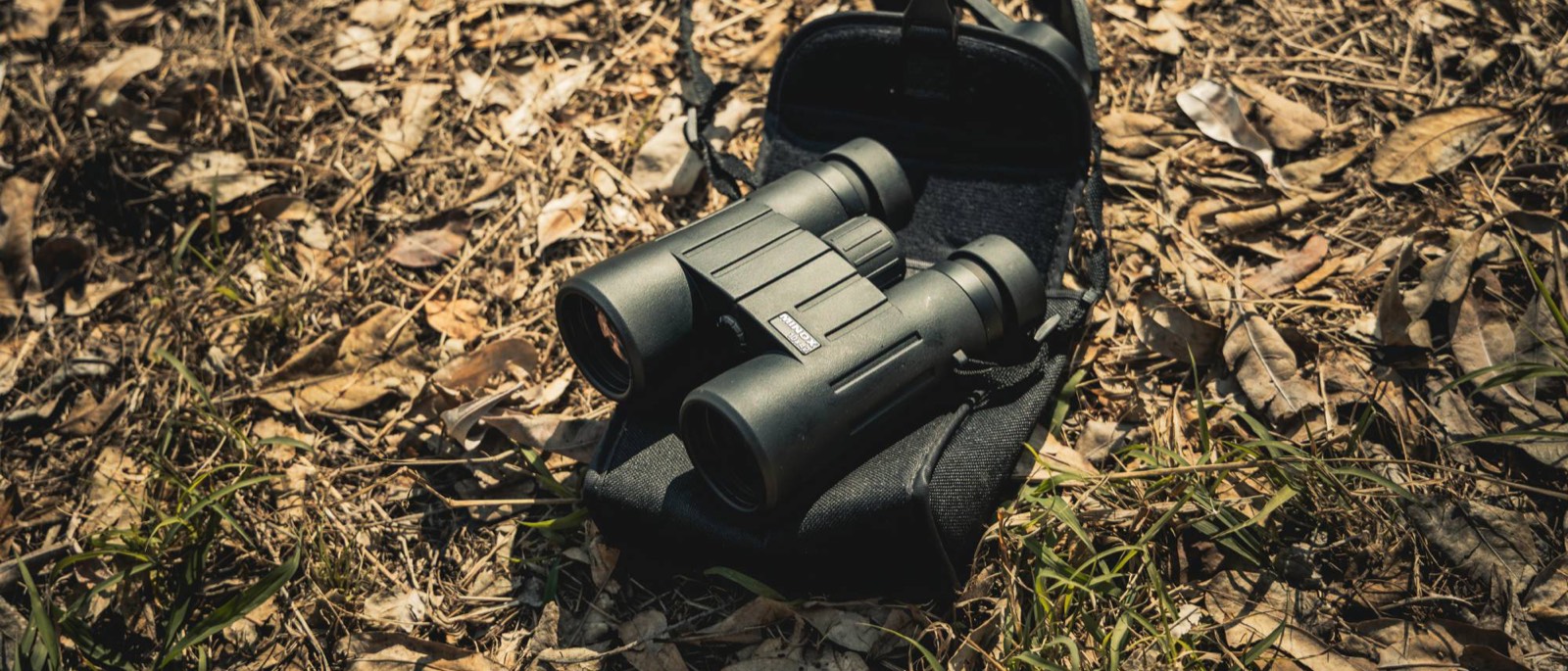
- Binoculars. The single biggest upgrade to a game drive, and the thing most people wish they had brought. 8×42 is the sweet spot: bright enough for dusk, steady enough to hold. One pair between two people is a compromise you will quietly resent by day two.
- A wide-brimmed hat. Not a cap. The sun here arrives from an angle caps were not designed for.
- Sunscreen, and more of it than you think. An open vehicle is four hours of direct exposure even when the air feels mild.
- A power bank. Not because the power is unreliable, but because you will take far more photographs than you planned to.
- Any medication you take, in its box. The nearest pharmacy is in town and keeps town hours.
The things that do not
Safari-specific luggage. Multi-pocket vests. A tripod, unless photography is the actual point of your trip rather than a souvenir of it — a beanbag on the vehicle rail does more for a long lens than any tripod you can deploy in time.
On cameras and light
The good light here is narrow and reliable: roughly the first ninety minutes after sunrise and the last ninety before sunset, which is also when the drives run. That is not a coincidence. (If you are still choosing when to come, our month-by-month guide covers what each season does to the light and the sightings.)
If you shoot on a phone, the thing that will improve your photographs most is not an app — it is turning around. The best light is usually behind you, on the subject, rather than in front of you making a silhouette. The exception is dusk, when a silhouette is the photograph.
If you shoot on a camera, bring the longest lens you own and accept that you will use it for eighty per cent of the trip. Something in the 100–400mm range covers almost everything. A second body saves you changing lenses in dust, which is the real enemy here.
Health and paperwork
Hoedspruit is in a malaria area, and the risk is seasonal — highest from September to May. Guidance on preventive tablets depends on where you are travelling from, and some have to be started a week or more before you arrive, so speak to your own doctor or a travel clinic well ahead of your trip. We are not medical practitioners and will not advise you on medication. Whatever you decide, pack a good repellent and something with long sleeves for the evenings. There is more on our FAQs.
Bring your ID or passport for check-in, and if you are self-driving into the Kruger, remember that park entry is paid at the gate and is separate from your stay here.
And one thing that is not on any list
Something to read. The middle of the day is long, quiet and hot, and it is meant to be. Guests who arrive with a plan for every hour tend to leave more tired than they came. The pause between the morning drive and the evening one is not dead time — it is most of the reason people come back.